 Old Kitchen Stories
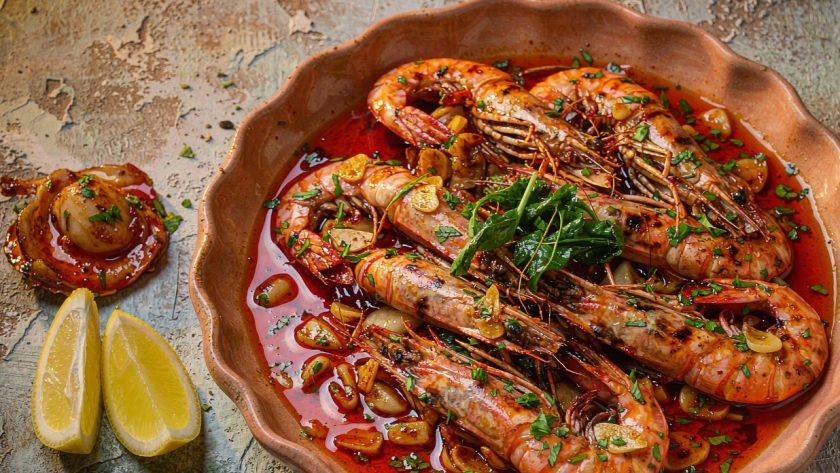
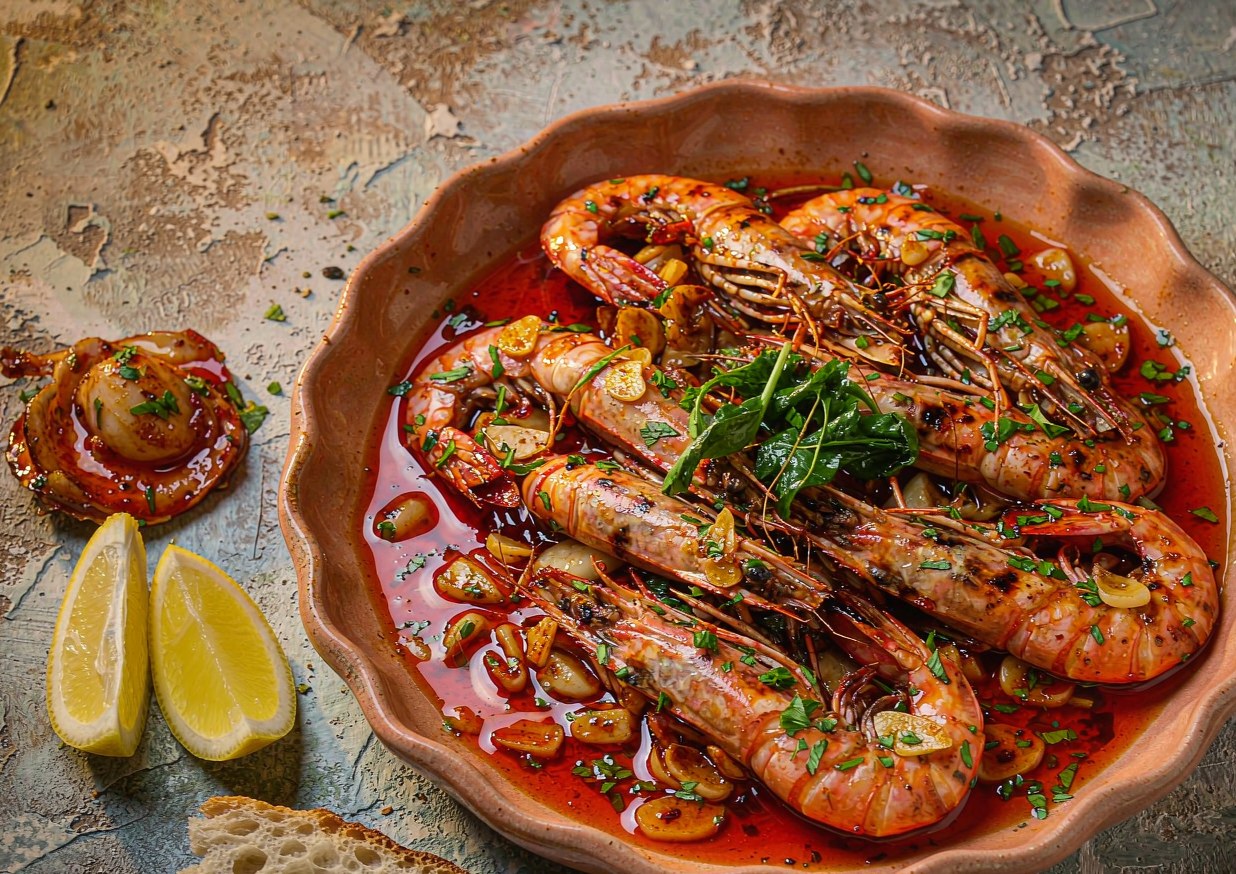
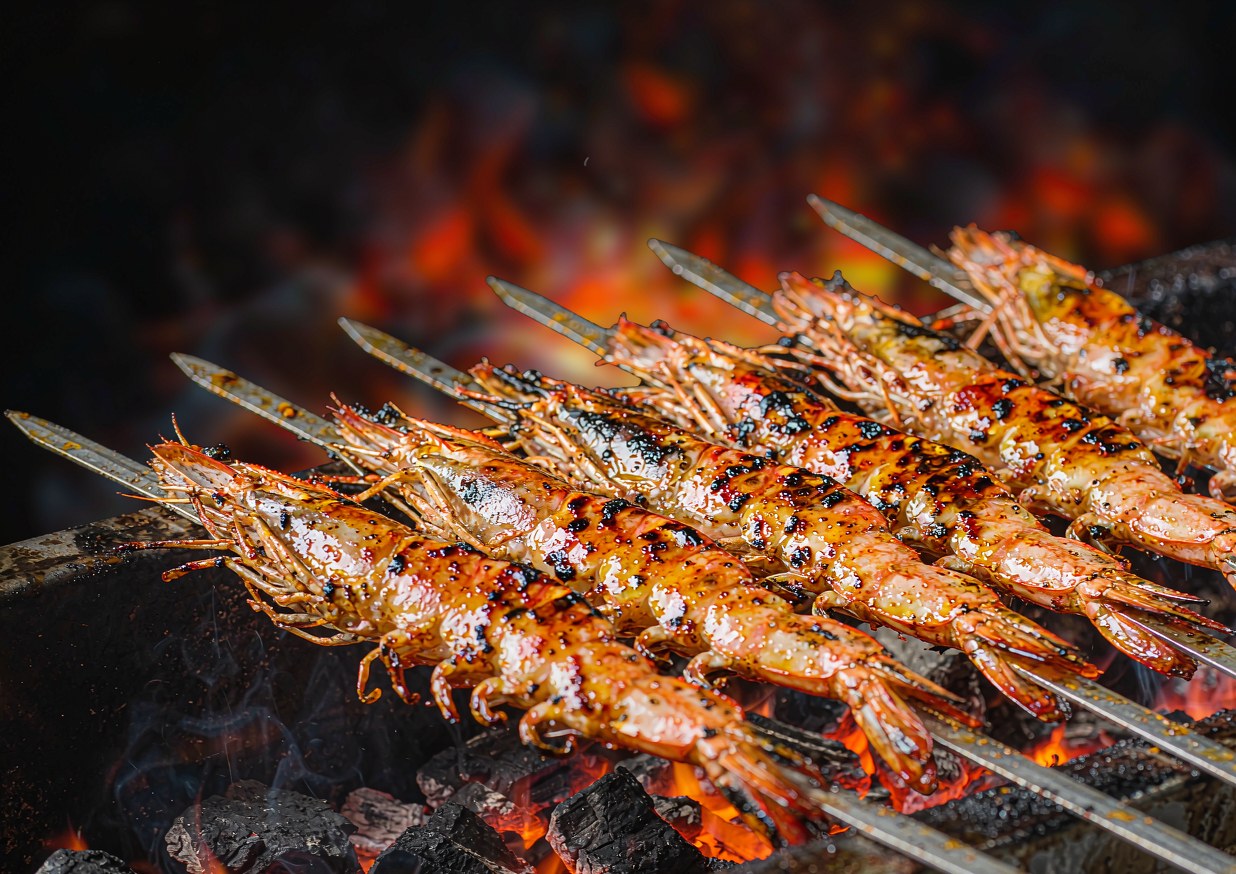
Quick answer: Dry 1½ lb / 700 g of large shell-on shrimp thoroughly, then toss them with olive oil, minced garlic, sweet smoked paprika, salt, and a pinch of dried chilli. Heat the grill until it is genuinely hot, around 260°C / 500°F, and thread the shrimp onto skewers. Grill for 2 minutes a side, until the shells blister and the flesh is opaque but still springs back. Meanwhile warm sliced garlic in olive oil away from the direct flame until fragrant. Pile the shrimp into a shallow dish, pour the garlic oil over, and finish with parsley and lemon.
- Prep time: 15 minutes
- Cook time: 8 minutes
- Total time: 23 minutes
- Servings: 4
- Cuisine: Spanish
- Course: Main Dishes
- Difficulty: Easy
Why this recipe works
Three things decide whether this tastes like a tapas bar in Madrid or like rubber rings with garlic powder. First, shells on. The shell protects the flesh from the hardest of the heat, so you can cook hot enough to blister without drying out the meat underneath. Peeled shrimp has to be pulled a full minute earlier and still loses. Second, bone dry. Any water on the surface must boil off before browning can start, and by the time that happens the inside is overcooked. Third, real heat. A moderate grill gives you pale, poached shrimp however long you leave it; this dish wants the grill as hot as it will go. The last detail is that the paprika never meets the flame directly. Pimentón scorches in seconds over direct heat and turns bitter, so it belongs in warm oil off the coals — which is exactly how the garlic oil gets made.
Our method follows the technique guidance published by Epicurious — Recipe Archive & Technique Guides and is adapted for a standard home kitchen.
Ingredients
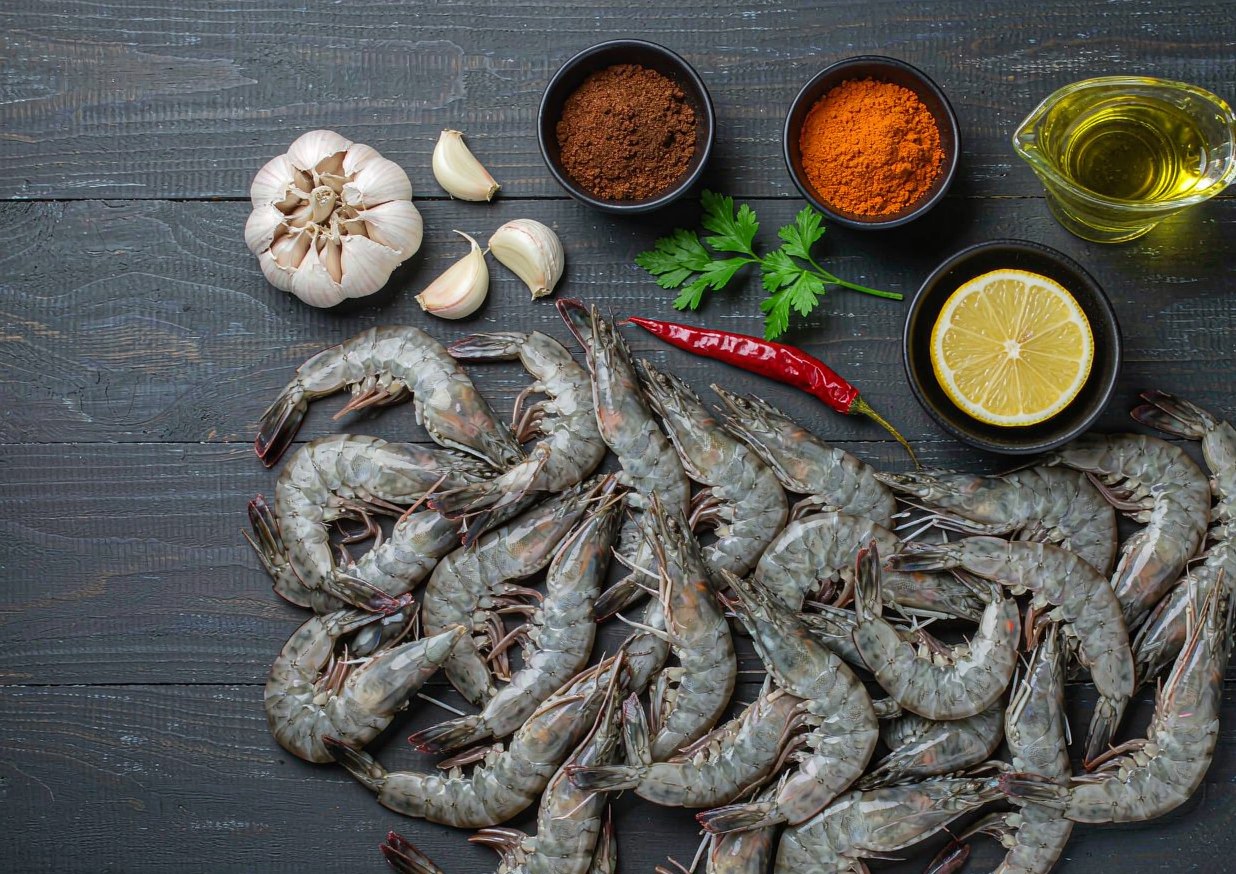
- 1½ lb / 700 g large shell-on shrimp, 16/20 count, deveined in the shell
- 6 cloves garlic, 4 minced to a paste and 2 thinly sliced
- 6 tbsp / 90 ml extra-virgin olive oil
- 2 tsp sweet smoked paprika (pimentón dulce)
- 1/4 tsp hot smoked paprika (pimentón picante), or to taste
- 1 small dried guindilla or cayenne, crumbled
- 1 tsp flaky sea salt
- 1/2 tsp freshly ground black pepper
- 2 tbsp finely chopped flat-leaf parsley
- 1 lemon, cut into wedges
- Crusty bread, for serving
Equipment
- A charcoal grill, a gas grill, or a cast-iron grill pan. Cast iron gets closest to the flat plancha used in Spain and works indoors all year
- Flat metal skewers or a grill basket. Loose shrimp on an open grate is how you lose dinner to the coals
- An instant-read digital thermometer, useful even on something this fast because the window between done and overcooked is about thirty seconds
- A microplane or garlic press, for turning four cloves into a paste
- Paper towels. Drying the shrimp is not a suggestion — it is the difference between grilling and steaming
- A shallow flameproof dish for serving; traditional cazuelas hold heat long enough that the oil keeps sizzling at the table
How to make garlic shrimp step by step
- Prepare the shrimp. Rinse them under cold water, then devein by cutting shallowly along the back of the shell with kitchen scissors and lifting out the dark thread. Leaving the shells on is intentional, and the cut also lets oil and garlic in.
- Dry them properly. Spread the shrimp on a double layer of paper towel and pat them dry all over, then leave them uncovered in the fridge while you make the oil. This is the step most recipes skip, and it is why home versions come out pale.
- Make the garlic and paprika oil. Warm the sliced garlic in the olive oil in a small pan over the lowest heat for 4 minutes, until fragrant but not coloured. Take it off the heat, wait 30 seconds, then stir in both paprikas and the crumbled chilli. Set aside.
- Toss the shrimp. In a bowl, combine the shrimp with the garlic paste, 2 tablespoons of plain olive oil, the salt, and the pepper. No lemon juice yet — acid firms the surface of raw shellfish in about ten minutes.
- Heat the grill. For charcoal, build a single-layer bed of coals and let them burn to grey, about 20 minutes; you should only manage 2 seconds with your hand 4 inches above the grate. For a grill pan, heat it dry until it just starts to smoke, then add oil.
- Skewer. Thread 4 to 5 shrimp onto each flat skewer through the thick end and again through the tail, so they lie flat and do not spin. With a grill basket, arrange them in a single layer with space between them.
- Grill the first side. Lay the skewers on the grate or in the pan and do not touch them for 2 minutes. You want the shells blistered and darkly spotted, not an even tan.
- Turn once. Flip and cook 1½ to 2 minutes more. Pull them the moment the flesh is opaque all the way through but still springs back when pressed. On a thermometer, thick shrimp read around 60°C / 140°F, and they finish in the residual heat.
- Rewarm the oil. While the shrimp cook, set the garlic oil pan at the edge of the grill to take the chill off, keeping it away from the direct flame so the paprika cannot burn.
- Dress and serve immediately. Slide the shrimp into a warm shallow dish, pour the hot garlic and paprika oil over them, then scatter with parsley and serve with lemon wedges and bread.
What we learned testing this garlic shrimp recipe
We cooked this recipe three times before publishing it. These are the things that only showed up in the kitchen, not on paper.
- Our first batch was a genuine failure. We tossed the shrimp with lemon juice, garlic, and salt and left them in the fridge for 45 minutes while the coals came up. By the time they reached the grate, the surfaces had gone chalky and opaque — the acid had begun to firm the protein before it saw heat — and they cooked up cottony. Lemon now goes on at the table and never into the bowl.
- Shell-on against peeled: peeled were opaque about 70 seconds sooner, but because there was nothing shielding them from the flame, the side against the grate was chalky while the top was still translucent. Shell-on gave us an even cook and blistered pods.
- We weighed the drying step rather than guessing. Shrimp straight from the bag lost just under a tablespoon of surface water in ten minutes on paper towel, and the undried batch steamed pale for the first minute on the grill instead of taking colour.
- Paprika sprinkled directly over the shrimp before grilling went acrid and brown-black in under three minutes. Stirred into warm oil off the flame, the same paprika stayed sweet and brick red. That is now the only way it goes on.
- Charcoal against a cast-iron grill pan on the hob: charcoal won on aroma, but the pan got closer than we expected and is genuinely worth using in winter. Give the pan a full five minutes dry before anything touches it.
Expert tips
- Buy frozen raw shrimp if fresh is unavailable; most fresh shrimp at the counter has been frozen anyway. Thaw it overnight in the fridge, never in warm water, which starts cooking the outside.
- Never reuse the marinade at the end. Anything that touched raw shellfish goes in the bin or gets boiled first.
- Keep the heat higher than feels sensible. The whole dish is about six minutes of contact, and a timid grill will not char the shells in that window.
- Serve in something that holds heat. A cold plate kills this faster than anything else.
Variations and substitutions
- Gambas al ajillo: skip the grill entirely and cook the shrimp in the garlic oil in a shallow pan over medium-high heat for 2 minutes a side. This is the bar-counter version from Madrid.
- Peeled and deveined: drop the heat slightly and cut the second side to 1 minute. Without shells there is nothing protecting the flesh from the flame.
- Garlic-butter finish: whisk 1 tbsp of cold butter into the warm oil off the heat. Not Spanish, but the emulsion clings to the shells and it works.
- Prawns instead of shrimp: use head-on king prawns and add 1 minute a side. Ask whoever you buy from to leave the heads on; they carry most of the flavour.
Troubleshooting
| What went wrong | Why it happens | How to fix it |
|---|---|---|
| Shrimp are tough and rubbery | They went too long. Past about 60°C / 140°F the muscle fibres tighten and push moisture out, and the texture never comes back. | Pull them when they are opaque but still springy, and let the dish do the rest. If they are already over, slice them and serve them in the warm oil rather than trying to recover whole ones. |
| Everything is pale and steamed, not charred | The shrimp went on wet, or the grill was not hot enough. | Pat them dry thoroughly and wait for the coals to turn grey. You should manage only about 2 seconds with your hand 4 inches above the grate before the shrimp go on. |
| Garlic oil tastes bitter | The paprika or the sliced garlic scorched, usually because the pan was over direct flame. | Warm the garlic gently on the lowest setting and add the paprika only after the pan is off the heat. There is no rescuing burnt paprika — discard it and start the oil again with fresh spices. |
| Shrimp stuck to the grate or fell through | Wet shrimp weld themselves to cold metal, and loose pieces drop between the bars. | Thread them onto flat skewers or use a grill basket, oil the hot grate with a towel held in tongs, and do not move them for the first 2 minutes. They release on their own once they have colour. |
Storage, food safety and make-ahead
Shrimp are best the moment they leave the heat and do not improve on standing. If you have leftovers, chill them within 2 hours and refrigerate for up to 2 days. Reheat briefly in a hot pan with a splash of the oil, just until warm — a second full cook makes them tough, and the microwave makes them rubbery. Raw shell-on shrimp keep in the fridge for up to 2 days and in the freezer for 3 months.
For safe cooling, storage times, and reheating, follow the USDA FSIS food safety guidance.
Nutrition information
Per serving (about 4 large shrimp with oil and bread, one of four): approximately 395 kcal, 26 g protein, 30 g fat, 12 g carbohydrates, 1 g fibre, 720 mg sodium. Values are estimates derived from USDA FoodData Central and will vary with the size of the shrimp, how much oil is served, and portion size.
Figures are calculated from the USDA FoodData Central database and are estimates only. Values vary with ingredient brands and portion size.
Frequently asked questions
Should I peel the shrimp before grilling?
No. Shell-on is better here for two reasons: the shell insulates the flesh against the hardest of the heat, and it gives the garlic oil something to cling to. Peeled shrimp overcooks in the time it takes to char the outside. If you do peel them, cut about a minute off the cooking.
Why are my shrimp tough and rubbery?
Nine times out of ten they went too long. Shrimp cross from translucent to opaque to tough very quickly, and past about 60°C / 140°F the muscle starts squeezing moisture out. Pull them opaque but still springy and let them finish in the dish. Frozen shrimp thawed in warm water will already be tough before they reach the grill.
My paprika oil tastes bitter. What happened?
It burned. Ground paprika scorches in seconds over direct heat and turns acrid. Warm it off the flame or on the lowest setting, pull the pan off before adding it, and give it 30 seconds to stop cooking before you stir.
What should I serve with it?
Bread, and plenty of it, for the oil. Beyond that it belongs on a table with other tapas — tortilla, olives, jamón — rather than as a plate on its own.
Sources and further reading
- USDA FoodData Central
- Epicurious — Recipe Archive & Technique Guides
- USDA FSIS — Safe Minimum Internal Temperatures
- BBC Food — Recipes & Techniques
Nutrition figures on this page are calculated from the USDA FoodData Central database and are estimates only. They are not a substitute for advice from a qualified dietitian or physician.
Last updated: September 7, 2026. Recipe tested three times in a standard home kitchen by the named author above. Corrections are welcome and are noted on the page when published.